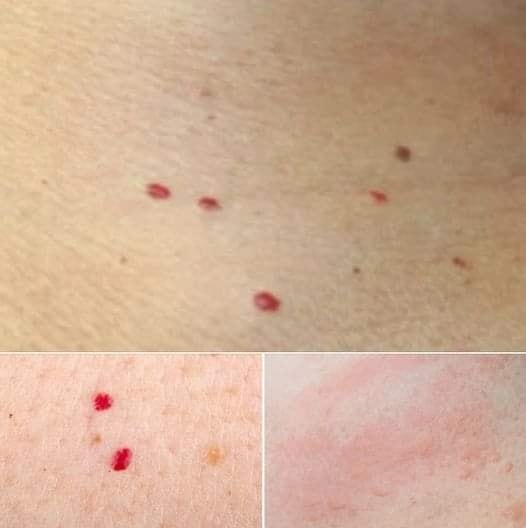

If you’re anything like me, you’re probably in the habit of checking your skin for anything unusual—lumps, bumps, bruises, or marks that weren’t there before.
Maybe it’s being cautious, or maybe it’s just paying attention to our health—but staying aware of your body is never a bad thing. So when I noticed a small cluster of red dots on my shoulder one morning, I did what many of us do: I turned to the internet.
What I discovered is that red dots on the skin are actually quite common—and they can appear for a number of reasons. Some are harmless, while others could be a signal to consult a healthcare provider. If you’ve found something similar, here are a few possible explanations that may help you make sense of it:
1. Petechiae and Purpura
These tiny red or purple dots often appear when small blood vessels under the skin break. Causes can include physical stress, intense coughing, or side effects from certain medications. While usually harmless, they can sometimes point to an underlying condition affecting blood clotting or platelet levels.
2. Cherry Angiomas
These small, bright red bumps are common and typically increase with age. They’re caused by the overgrowth of blood vessels and are considered completely harmless in most cases.
3. Heat Rash
Caused by blocked sweat ducts, heat rash appears as a cluster of itchy red dots—especially in hot, humid environments. It’s common in both adults and children and typically clears up on its own.
4. Allergic Reactions
Allergens from food, medication, insect bites, or environmental exposure can cause red, itchy patches or raised dots on the skin. Identifying and avoiding the trigger is key, and treatment may include antihistamines or topical creams.
5. Folliculitis
This condition involves inflammation of the hair follicles, often from bacterial or fungal infections. It usually appears as red, sometimes pus-filled bumps and can be uncomfortable but treatable.
6. Cellulitis
A more serious bacterial skin infection, cellulitis causes redness, swelling, and warmth in the affected area. Medical treatment is often necessary, including antibiotics.
7. Impetigo
Most commonly seen in children, impetigo is a contagious bacterial skin infection that causes red sores which may ooze and later crust over. It usually requires a topical or oral antibiotic.
8. Vasculitis
An inflammation of blood vessels, vasculitis can result in red spots or patches and may be associated with autoimmune conditions. Medical evaluation is recommended.
9. Hemangiomas
These are benign growths made up of blood vessels, often present from birth. While usually harmless, some may require medical monitoring or treatment.
When to See a Doctor
While many skin changes are harmless, you should consider seeking medical advice if:
- The red dots are accompanied by fever, pain, or swelling
- They rapidly spread or worsen in appearance
- Other symptoms like fatigue or dizziness occur alongside the skin changes
Your skin can be a helpful indicator of your overall health. Paying attention to changes and knowing when to ask a professional can make all the difference.
Found this article helpful?
Be sure to check out the health-related stories below for more insight into common symptoms and what they could mean.