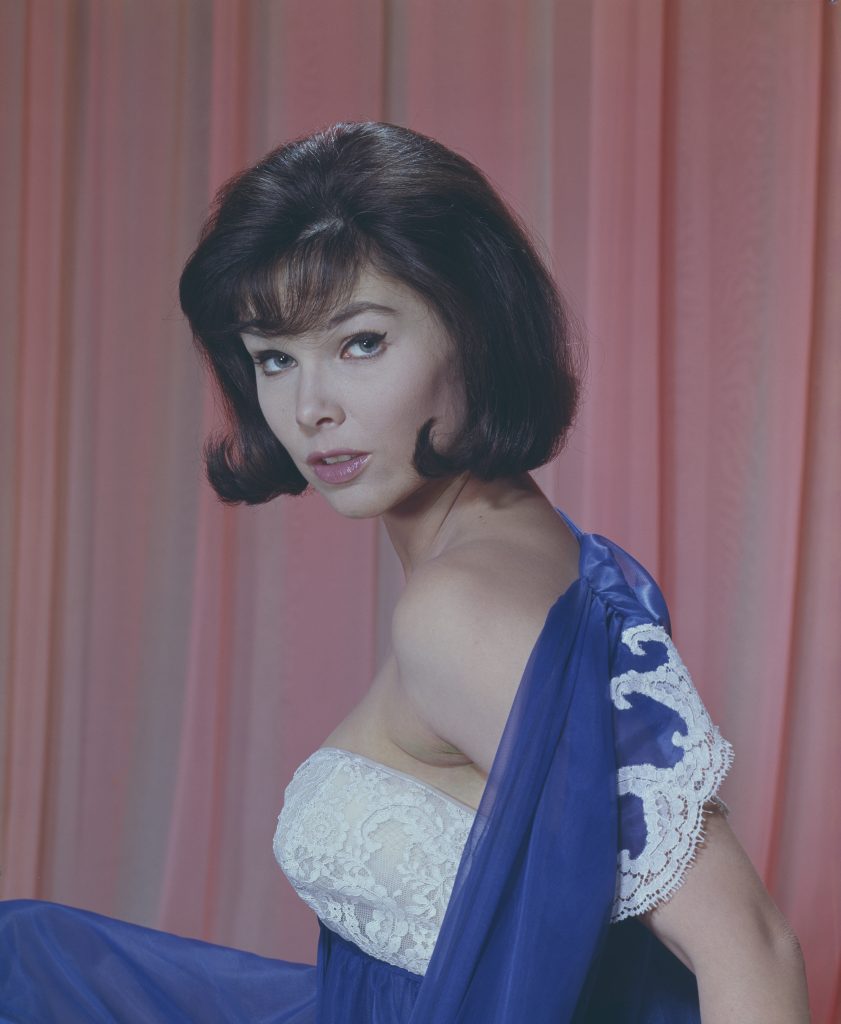

In 1967, television got its first taste of a female superhero who didn’t wait in the shadows. When Yvonne Craig burst onto the screen as Batgirl in the third season of Batman, she wasn’t just a supporting player — she was a revolution wrapped in purple spandex.

At the time, producers reportedly thought Batgirl would be a fun addition, maybe even a bit of “eye candy” to boost ratings. But Yvonne had other ideas. A professionally trained ballet dancer, she brought precision, agility, and flair to the role. She did her own stunts, handled fight scenes with confidence, and injected Barbara Gordon — Batgirl’s alter ego — with intelligence, wit, and fierce independence. This wasn’t a damsel in distress. This was a woman who rescued others, and she did it in heels.

Ironically, Craig didn’t even audition for the part. A producer saw her perform live — flipping across a stage like a gymnast — and recognized something electric. One screen test later, she was cast. The moment she appeared in costume, fans were hooked. Girls had never seen someone like her on TV before. She wasn’t there to support the male leads — she was their equal, both in intellect and in combat.
But the story doesn’t stop at the edge of Gotham.

Off-screen, Yvonne Craig was just as trailblazing. She advocated for equal pay at a time when women in the industry were often sidelined or silenced. She spoke openly about the challenges of being a woman in Hollywood, and later in life, she used her fame to promote women’s rights, access to education, and public health initiatives. Her activism made it clear: she wasn’t just playing a hero — she was one.
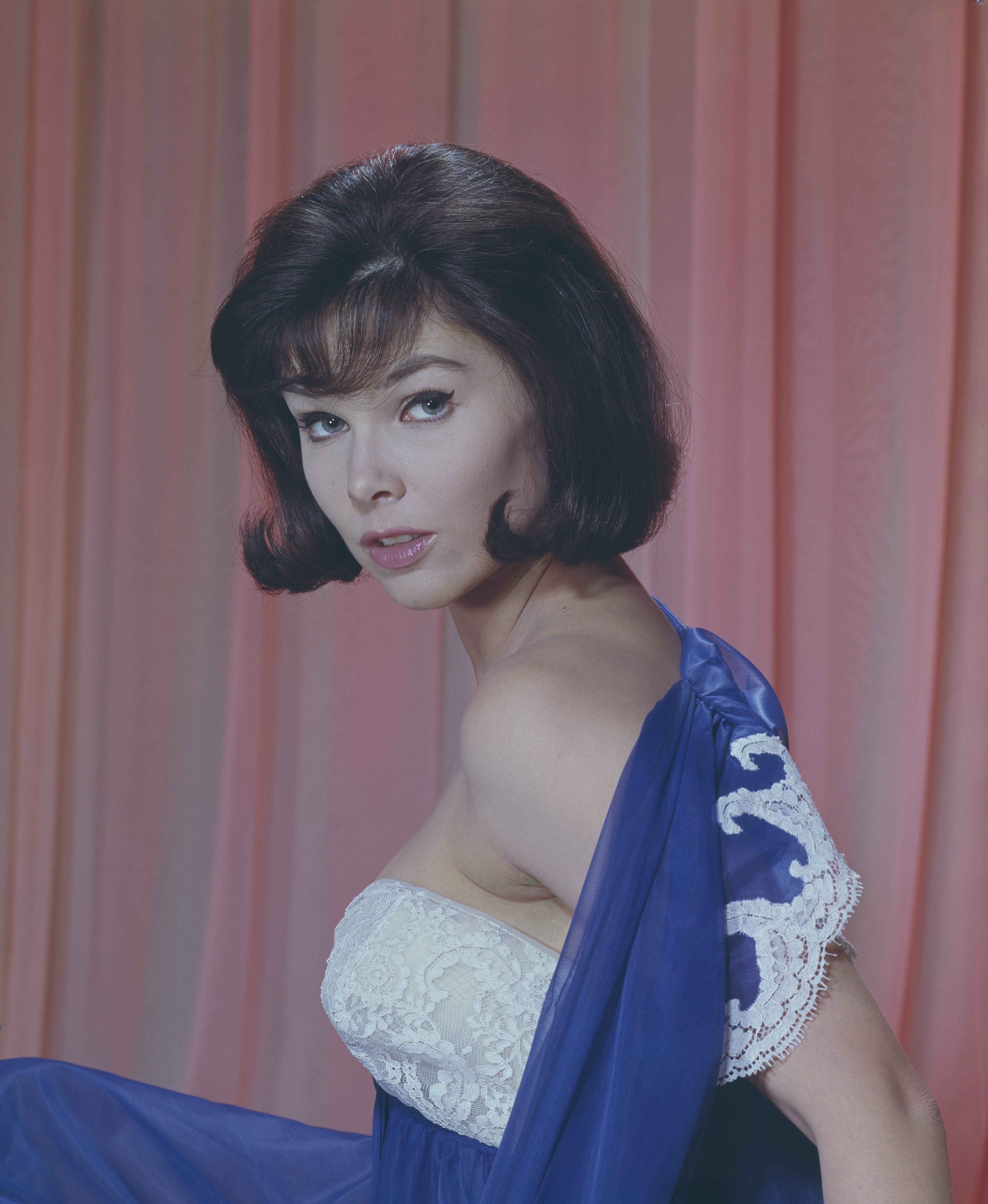
Batgirl’s appearance on TV might have been brief, but its cultural impact was massive. Yvonne Craig helped redefine what a female superhero could be. She proved that viewers — especially young girls — weren’t looking for someone pretty in a cape. They wanted strength, smarts, and spirit. And Craig delivered all three.

So, the next time someone claims women can’t lead a franchise, command a screen, or change a narrative, just remind them who truly lit up the Bat-Signal first.